In 2026, creators no longer rely solely on traditional DAWs.
A new generation of slow reverb generators, powered by web tools and AI, makes it easier than ever to stretch time, deepen atmosphere, and transform ordinary tracks into immersive experiences.
This guide ranks the 10 best slow reverb generators in 2026, based on ease of use, sound quality, creative flexibility, and target users.
Each tool is reviewed using the same structure to help you compare quickly and choose the right one.
#1 Slowed + Reverb Generator (Classic & Purpose-Built)
Key Features
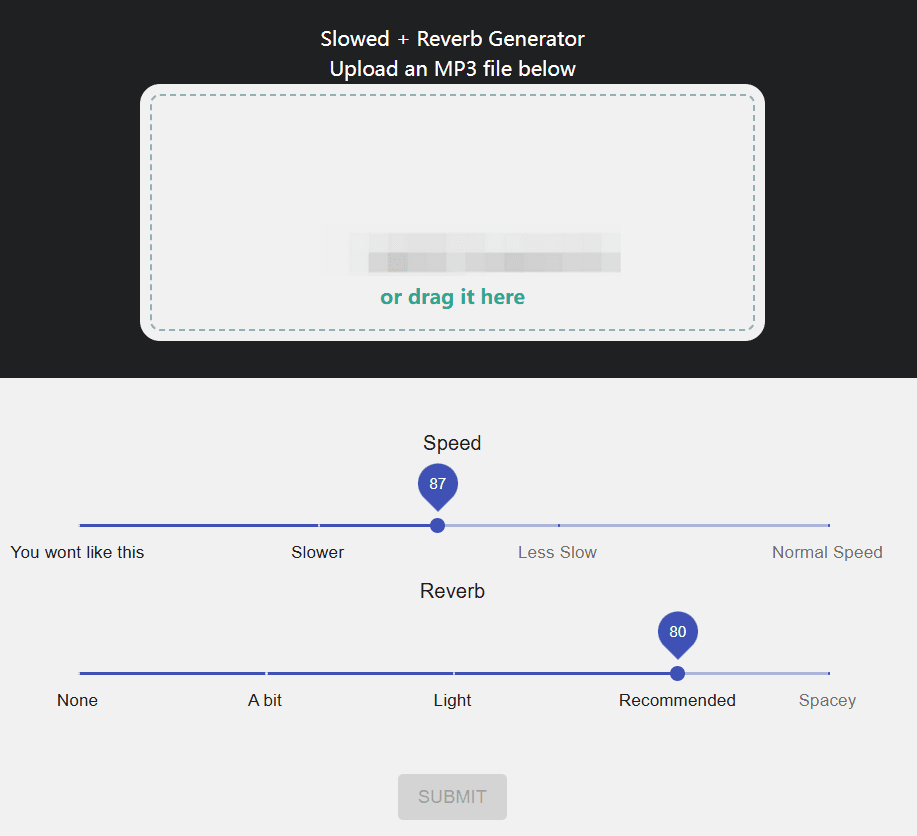
- One-click slowdown and reverb processing
- Adjustable tempo, decay, and wet/dry mix
- Browser-based, no installation required
- Supports common audio formats (MP3, WAV)
Advantages
Slowed + Reverb Generator is designed specifically for one task and it does it extremely well.
The interface is minimal, intuitive, and fast.
Users can upload a track and instantly achieve the signature dreamy, stretched sound popular on social platforms.
The processing is consistent and predictable, making it ideal for creators who want reliable results without technical complexity.
Target Audience
- TikTok and Instagram creators
- Beginners exploring slowed reverb for the first time
- Users who want fast, no-friction results
#2 slowedandreverb.studio (Web-Based Precision Tool)
Key Features
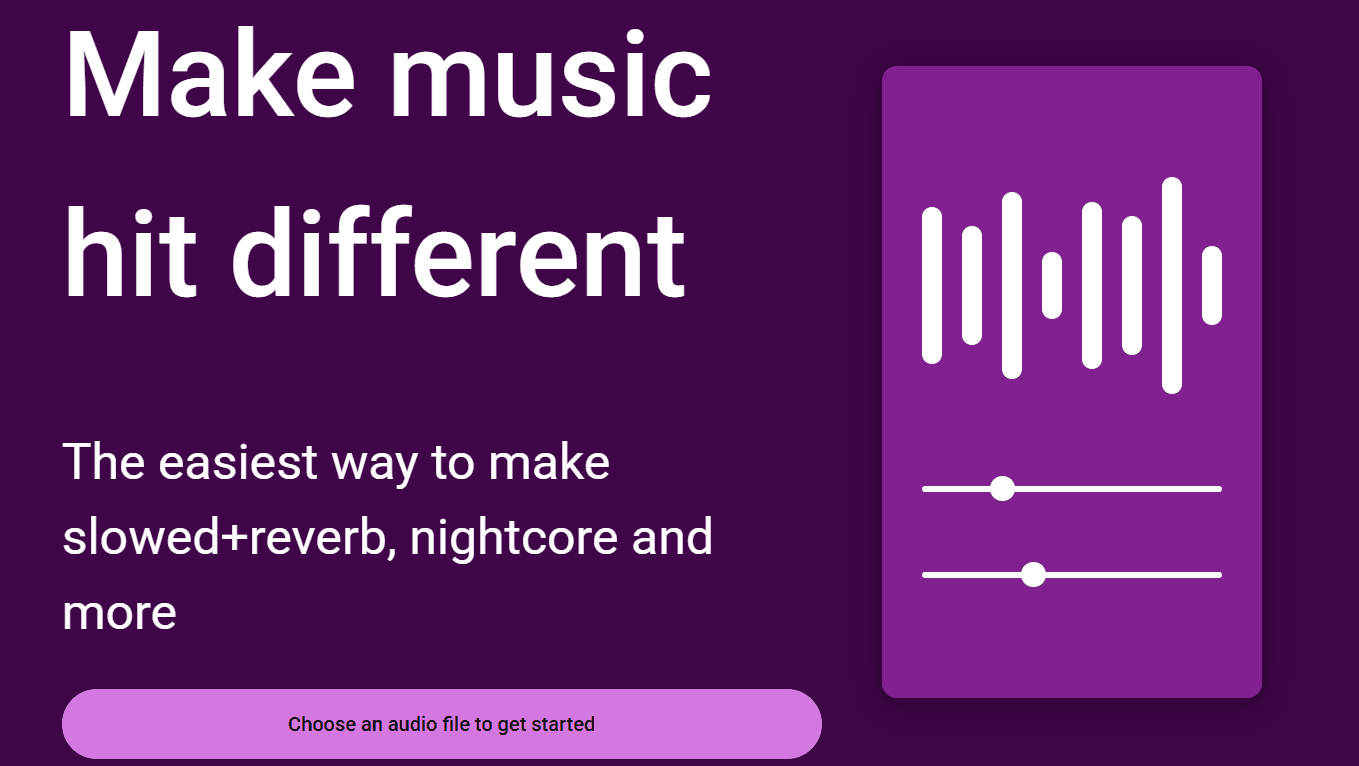
- Dedicated slow + reverb engine
- Fine-grain control over speed and reverb depth
- Clean web UI optimized for desktop and mobile
- Export-ready audio output
Advantages
slowedandreverb.studio stands out for its balance between simplicity and control.
While still easy to use, it offers more detailed tuning than most one-click tools.
This allows creators to dial in subtle emotional textures instead of extreme effects.
Its browser-based workflow makes it ideal for quick experiments without sacrificing quality.
Target Audience
- Lo-fi and ambient producers
- Content creators who want more control
- Users who prefer web tools over DAWs
#3 Soundplate (Creative Audio Platform)
Key Features
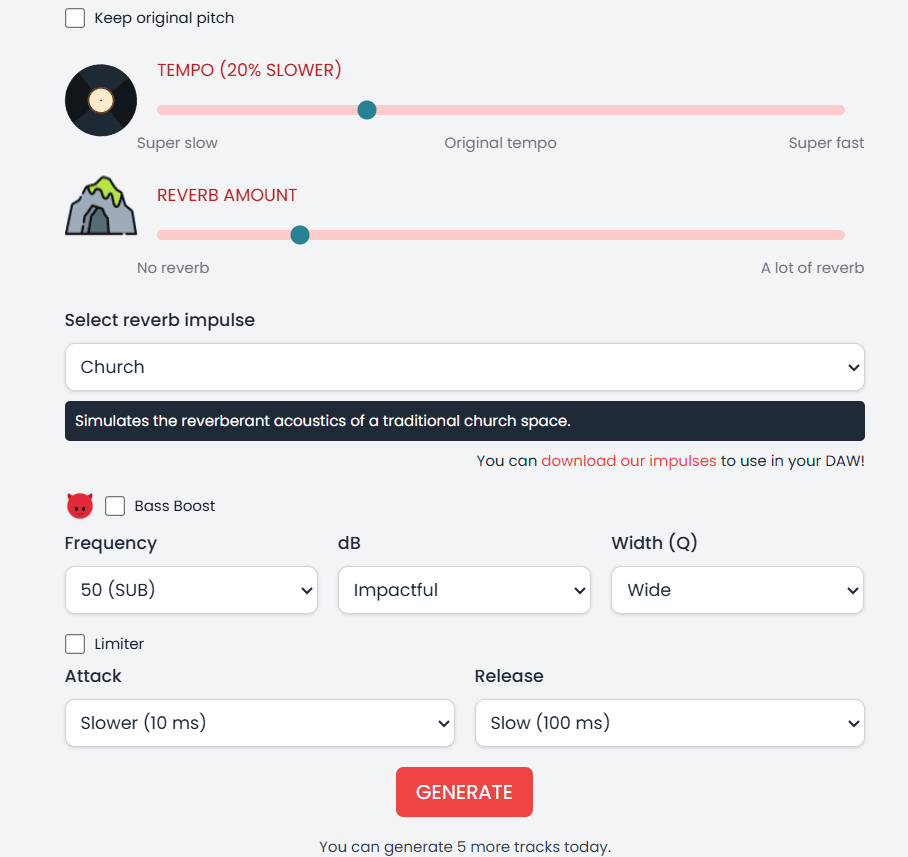
- Online audio effects including slow reverb
- Integrated sound-sharing ecosystem
- Preset-based processing
- Community-driven content inspiration
Advantages
Soundplate combines audio processing with a creative community.
Rather than acting as a pure utility tool, it encourages experimentation and discovery.
The slow reverb presets are polished and optimized for modern listening platforms.
For creators who enjoy sharing, remixing, and discovering new sounds, Soundplate offers more than just an effect—it offers context.
Target Audience
- Indie musicians
- Remix artists
- Creators looking for inspiration and sharing
#4 Jammable (Remix-Oriented Generator)
Key Features
- AI-powered remix workflows
- Supports slow reverb transformations
- Vocal and instrumental handling
- Cloud-based processing
Advantages
Jammable is built for remix culture.
Its strength lies in transforming existing songs into new stylistic variations, including slowed and reverb-heavy versions.
The AI processing handles vocals especially well, preserving clarity while adding atmosphere.
It’s less about manual tweaking and more about creative reinterpretation.
Target Audience
- Remix creators
- AI music experimenters
- Users focused on vocal-based tracks
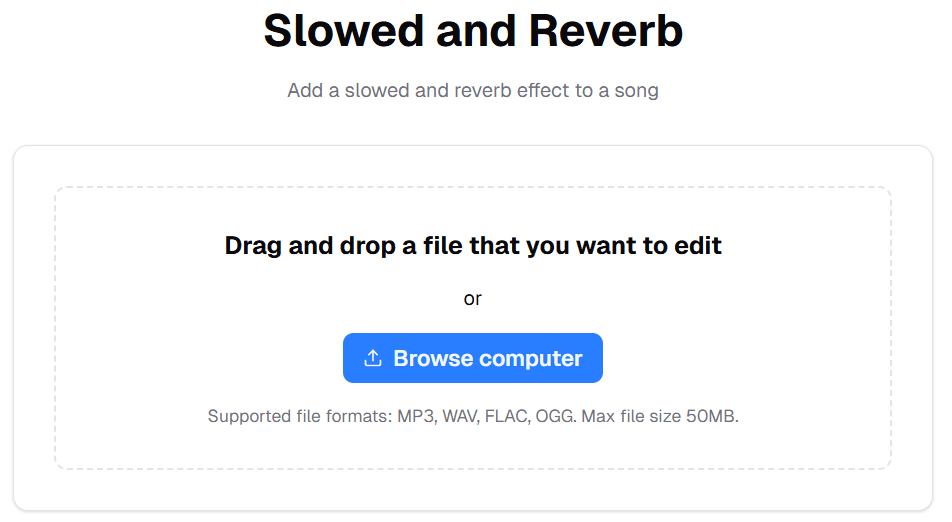
#5 Audioalter (Effect-Focused Online Tool)
Key Features
- Dedicated slow-down and reverb effects
- Simple parameter sliders
- Instant preview and export
- No account required
Advantages
Audioalter has long been a favorite among casual creators.
Its slow reverb tools are straightforward and effective, making it a reliable option for quick edits. While it doesn’t push creative boundaries, it excels at accessibility.
Target Audience
- Casual users
- Students and hobbyists
- Creators needing quick edits
#6 Kapwing Audio Tools (Video-First Workflow)
Key Features
- Slow reverb applied within video projects
- Timeline-based editor
- Cloud collaboration
- Multi-format export
Advantages
Kapwing is not a dedicated slow reverb generator, but its audio tools integrate seamlessly into video creation.
This makes it especially useful for creators who want synchronized audio and visuals without switching platforms.
Target Audience
- Video editors
- Social media marketers
- YouTubers and short-form creators
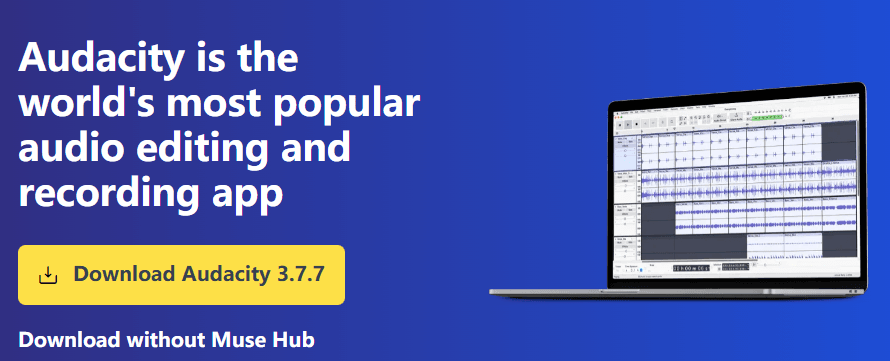
#7 Audacity (Traditional but Powerful)
Key Features
- Open-source desktop software
- Manual tempo and reverb effects
- Multi-track editing
- High customization
Advantages
Audacity remains a powerhouse for users willing to invest time.
While not AI-driven or web-based, it offers deep control over audio processing. Slow reverb effects require more steps, but the results can be highly customized.
Target Audience
- Advanced users
- Audio engineering learners
- Desktop-based creators
#8 FL Studio (Professional DAW Approach)
Key Features
- Professional-grade reverb plugins
- Precise tempo control
- Full music production suite
- Plugin ecosystem
Advantages
FL Studio offers unmatched depth for slow reverb creation, but at the cost of complexity.
It’s best suited for producers who want slow reverb as part of a larger composition rather than a standalone effect.
Target Audience
- Professional producers
- Electronic music creators
- Studio-based musicians
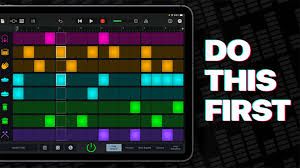
#9 GarageBand (Accessible Apple Ecosystem Tool)
Key Features
- Built-in tempo and reverb controls
- iOS and macOS support
- Beginner-friendly interface
- High-quality sound engine
Advantages
GarageBand lowers the barrier for Apple users.
While it lacks specialized slow reverb presets, it allows creators to manually craft atmospheric effects using built-in tools.
It’s especially effective for mobile workflows.
Target Audience
- Apple users
- Beginner musicians
- Mobile creators
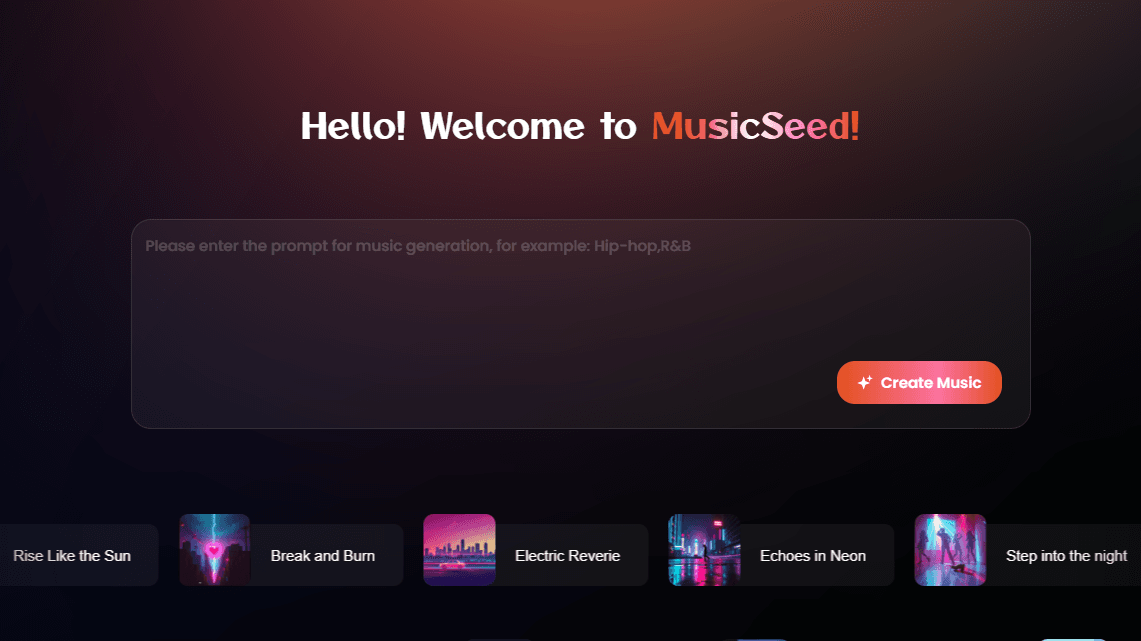
#10 MusicSeed (AI Music Creator with Expanding Capabilities)
Key Features
- AI-powered song generation from text and lyrics
- Integrated melody, harmony, and vocal generation
- Emerging slow reverb and ambient styles
- Designed as a full Music Creator AI
Advantages
MusicSeed approaches slow reverb from a different angle. Rather than focusing only on post-processing, it allows users to generate music from scratch and explore atmospheric styles, including slowed and reverb-inspired moods, within the creation process itself.
While it is not a dedicated slow reverb generator, MusicSeed earns its place on this list for creators who want to move beyond effects and into AI-driven composition.
Target Audience
- Creators without production experience
- Songwriters exploring AI tools
- Users interested in text-to-music workflows
How to Choose the Right Slow Reverb Generator
When selecting a slow reverb tool in 2026, consider the following:
- Speed vs. Control: One-click tools vs. advanced customization
- Workflow: Web-based, mobile, or desktop
- Purpose: Quick social content or full music production
- Creative Scope: Effects-only or full AI music creation
There is no single “best” option—only the best tool for your creative goals.
Final Thoughts
The slowed + reverb aesthetic continues to evolve in 2026, supported by a wide range of tools, from simple web generators like Slowed + Reverb Generator and slowedandreverb.studio, to creative platforms like Soundplate and AI-powered solutions such as Jammable and MusicSeed.
Whether you want fast results, deep control, or AI-assisted creativity, the tools on this list offer something for every type of creator.
As technology advances, slow reverb is no longer just an effect—it’s a creative language.
🥇 Related Articles:
1. 10 Best Diss Track Generators to Create Savage Rap Tracks
2. 10 Best Random Word Generators (2026)
3. 8 Best Music Making Websites in 2026