Quick Take
- What happened: Nvidia ended its GTC Taipei 2026 keynote with a musical closing video featuring robots singing through the event’s biggest announcements.
- Why it matters: The video became a talking point because it showed how AI-styled music and visuals are moving into major corporate events.
- Music angle: For AI music creators, the lesson is clear: generation is not enough. Taste, editing and direction still matter.
- Editor’s read: The real question is not whether AI can make a song or video. It is whether the result feels worth watching.
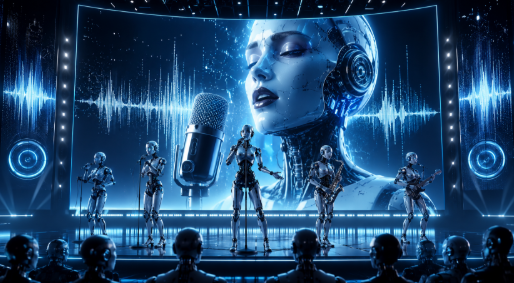
Nvidia’s closing video was meant to show off AI creativity, but the bigger lesson was more human: even powerful AI still needs taste.
At GTC Taipei 2026, Nvidia wrapped its keynote with an official musical closing video featuring robots singing through the company’s major announcements. Nvidia’s own video description presents it as a lighthearted recap with robots celebrating the keynote in Taipei night markets, while PCMag’s syndicated opinion headline framed the moment as an “AI-generated fever dream” that could leave viewers confused, cringing or creeped out.
What Happened
Nvidia’s GTC Taipei at COMPUTEX focused on the company’s broader AI direction, including AI infrastructure, robotics, agentic AI and physical AI systems. The company’s official live updates positioned the event around the next wave of AI platforms and applications.
The closing video turned that technical keynote into something more unusual: a musical recap. Instead of ending with a standard highlight reel, Nvidia used singing robots, animated scenes and a song-like structure to summarize the event.
That is why the moment matters for AI music creators. It was not just another product demo. It was a high-profile example of AI-style creative content being used on a corporate stage.
Why the AI Music Video Felt Awkward to Some Viewers
The video sits in an uncomfortable middle space.
On one side, it shows how quickly AI-style creative tools can package complex information into music, characters and visual storytelling. On the other side, it raises a simple question: just because something can be generated, does it actually feel good to watch?
That is the real issue. A singing robot recap can be technically impressive and still feel tonally strange. A song can summarize the right information and still miss the rhythm, humor or emotional timing the audience expects.
For AI music, this is an important shift. The novelty stage is fading. Audiences are no longer impressed only because something was generated. They are judging whether it feels intentional, polished and worth sharing.
The problem was not that AI can make a song. The problem was whether the song felt like something people wanted to watch.
What AI Music Creators Can Learn
The biggest lesson for creators is simple: AI is a draft partner, not a final editor.
AI can help generate lyrics, melodies, vocals, arrangements and visuals quickly. But the creative job does not end when the output appears. Creators still need to decide what works, what feels off and what should never be published.
A strong AI music workflow still needs human choices:
- choose a clear mood before generating
- create several versions
- keep only the strongest ideas
- cut weak sections
- adjust pacing and structure
- polish vocals, mix and transitions
- ask whether the final result fits the audience
That final step matters most. AI can produce options at speed, but human taste decides which option deserves attention.
What This Means for AI Music Tools
This Nvidia moment is also a product lesson.
Users do not only need tools that can generate songs. They need tools that help them control the result. That means better control over structure, emotion, vocal tone, pacing, genre, arrangement and editing.
For creators, “AI-generated” is no longer enough as a selling point. A song still has to match the use case. A brand jingle needs the right tone. A video intro needs the right length. A social clip needs the right hook. Background music needs to support the content without distracting from it.
The future of AI music tools will not be defined only by speed. It will be defined by how well they help users move from raw output to finished work with intention.
What to Watch Next
AI-generated music and video are moving into brand campaigns, product launches, keynote recaps and social content. More companies will test this kind of format because it is fast, memorable and easy to share.
But the next wave will not be judged only by technical possibility. Audiences will ask whether the result feels funny, sharp, emotional, useful or simply awkward.
For AI music creators, that is the real takeaway from Nvidia’s closing video: the tools are getting stronger, but taste is still the difference between an output and a moment people actually want to share.
Source Note
This article is based on public coverage of Nvidia’s GTC Taipei 2026 keynote closing video and related commentary around the AI-generated music video discussion. MusicSeed shaped the story with an AI music and creator-focused editorial angle.

