Quick Take
- Victor Willis, the original lead singer of Village People, died on June 30, 2026, at age 74.
- His wife and manager, Karen Huff-Willis, said he died after a short but aggressive illness.
- Willis was best known as the group’s police officer character and the lead voice behind several disco classics.
- He co-wrote major Village People hits including “Y.M.C.A.,” “Macho Man,” “In the Navy,” and “Go West.”
- “Y.M.C.A.” became a global party anthem, sports-event staple, wedding favorite, and one of disco’s most recognizable songs.
- His legacy also includes copyright battles, a later return to Village People, and renewed public attention around the song’s political use.
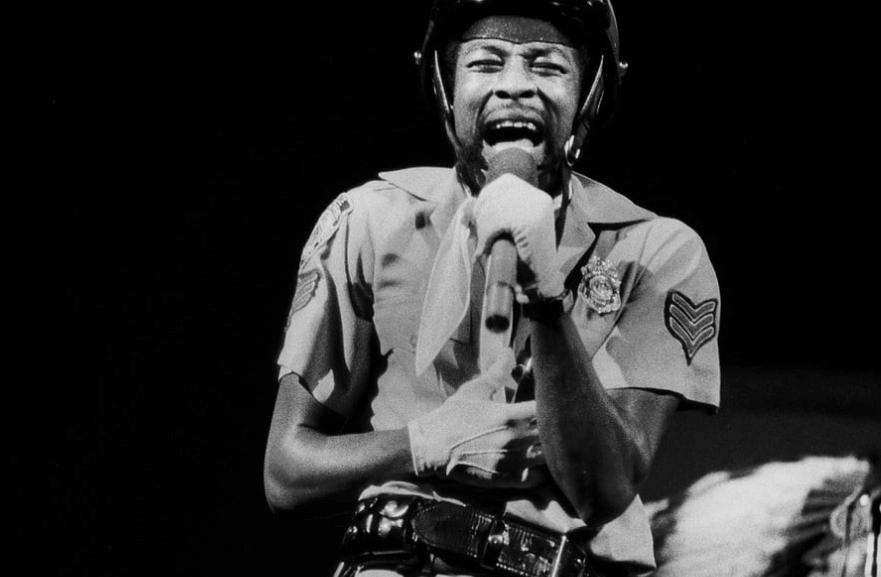
Cover image: Victor Willis. Photo by Paul Natkin/Getty Images, via Rolling Stone Australia.
Key Facts About Victor Willis
| Topic | Details |
|---|---|
| Full name | Victor Edward Willis |
| Best known for | Original lead singer of Village People |
| Signature role | Police officer character |
| Age | 74 |
| Date of death | June 30, 2026 |
| Major songs | “Y.M.C.A.,” “Macho Man,” “In the Navy,” “Go West” |
| Music era | Late-1970s disco |
| Main legacy | Helped turn Village People into a global pop culture symbol |
| Cultural impact | Disco, LGBTQ+ culture, weddings, sports events, political rallies, nostalgia music |
Intro
Victor Willis, the original lead singer of Village People and co-writer of “Y.M.C.A.,” died on June 30, 2026, at age 74 after a short but aggressive illness. The news was confirmed by his wife and manager, Karen Huff-Willis, and reported by multiple entertainment and news outlets.
Willis was one of the most recognizable voices of the disco era. As the frontman of Village People, he helped turn theatrical stage characters, catchy hooks, and group-friendly choruses into a worldwide pop phenomenon.
For many listeners, Victor Willis will always be remembered as the voice behind “Y.M.C.A.” The song moved far beyond its original disco release and became part of weddings, sports events, public celebrations, political rallies, and global pop culture memory.
What Was Victor Willis Best Known For?
Victor Willis was best known as the original lead singer of Village People and one of the main creative forces behind the group’s biggest songs. His voice gave the band its energetic center, while his police officer stage character became one of the group’s most recognizable images.
He was especially known for:
- Singing lead vocals for Village People during their most successful years
- Co-writing “Y.M.C.A.,” one of the most famous disco songs ever recorded
- Performing as the group’s police officer character
- Helping shape hits such as “Macho Man,” “In the Navy,” and “Go West”
- Bringing R&B and gospel-influenced vocals into Village People’s disco sound
His work helped Village People become more than a novelty disco act. The group’s music became part of everyday celebration culture, from dance floors and parties to stadiums and public events.
Victor Willis and the Rise of Village People
Village People formed in New York in 1977, during disco’s rapid rise in American nightlife and mainstream music. Producer Jacques Morali helped shape the group’s concept, while Willis brought the voice, stage presence, and songwriting power that made the project connect with a wider audience.
The group’s image was instantly memorable. Village People presented a lineup of exaggerated American character types, including a cowboy, sailor, construction worker, biker, Native American character, and Willis as the police officer. Their visual identity made them stand out in a crowded disco scene.
Willis was not only the face and voice of the band. He became a central creative figure behind the group’s best-known songs. His songwriting helped make Village People’s music simple, direct, joyful, and easy for large crowds to sing together.
How “Y.M.C.A.” Made Victor Willis and Village People Global Icons
“Y.M.C.A.” is the song most closely tied to Victor Willis and Village People. Released during the group’s peak, it became a defining disco anthem and one of the most recognizable pop songs in the world.
The song’s success came from several simple but powerful elements:
| Why “Y.M.C.A.” Lasted | How It Helped the Song Grow |
| Easy chorus | Large crowds could sing it instantly |
| Group dance | The song became interactive and memorable |
| Bright disco sound | It worked well at parties, weddings, and public events |
| Simple title | The name stayed recognizable across generations |
| Flexible cultural meaning | Different audiences embraced it in different ways |
Over the years, “Y.M.C.A.” became a staple at weddings, birthdays, sports games, school events, public celebrations, and political rallies. Its popularity lasted long after the commercial peak of disco.
The song was also widely embraced by LGBTQ+ audiences and disco culture, even though Willis repeatedly rejected the idea that the lyrics were written as a gay anthem. That contrast became part of the song’s complicated legacy: “Y.M.C.A.” worked both as a mainstream party hit and as a track deeply connected to disco’s inclusive cultural history.
The Cultural Impact of Village People
Village People became one of the most visible symbols of late-1970s disco. Their music mixed dance-floor energy with humor, theatrical identity, camp, and a strong sense of togetherness.
At their height, the group achieved major commercial success with songs such as “Macho Man,” “In the Navy,” “Go West,” and “Y.M.C.A.” These tracks helped Village People become international disco ambassadors.
Even after disco’s mainstream popularity declined in the United States, Village People remained a major nostalgia act. Their image and songs continued to appear in films, television shows, music videos, comedy sketches, sports events, and pop culture references.
In 2020, “Y.M.C.A.” was selected for preservation by the Library of Congress in the National Recording Registry, confirming its status as a historically significant recording.
Victor Willis’ Career After Leaving Village People
Willis left Village People in 1979, during the group’s peak period. Ray Simpson later replaced him as lead singer, but the group struggled to recreate the same level of success without Willis at the center.
He briefly returned in the early 1980s before leaving again. Outside the group, Willis faced a difficult period that included a stalled solo career and struggles with drug addiction. He later completed court-ordered treatment in 2007.
A major part of Willis’ later life involved reclaiming control over his music. After selling rights to his songs during a difficult time, he and his wife Karen Huff-Willis pursued legal action to regain copyright control under laws that allow creators to reclaim ownership after a set period.
After years of litigation, Willis returned to front Village People from 2017 to 2023. His return reinforced his connection to the songs he helped create and to the group’s public legacy.
Timeline of Victor Willis’ Music Career
| Year | Event |
| 1951 | Victor Edward Willis was born on July 1 |
| 1977 | Village People formed in New York |
| Late 1970s | Willis became the group’s original lead singer |
| 1978 | “Y.M.C.A.” became one of Village People’s signature hits |
| 1979 | Willis left Village People during the group’s peak period |
| 1980s | He briefly returned before leaving again |
| 2007 | Willis completed court-ordered drug treatment |
| 2015 | His solo album “Solo Man” was released decades after recording |
| 2017 | Willis returned to front Village People after years of litigation |
| 2020 | “Y.M.C.A.” was added to the National Recording Registry |
| 2026 | Victor Willis died at age 74 |
Why Victor Willis’ Death Matters for Music History
Victor Willis’ death matters because his career sits at the center of several important music-history conversations: disco’s mainstream rise, LGBTQ+ cultural influence, pop nostalgia, music copyright, and the long life of classic songs.
“Y.M.C.A.” is a clear example of how one song can change meaning over time. It began as a disco hit, became a group-dance standard, gained deep cultural associations, entered sports and wedding culture, and later became part of political campaign soundtracks.
For artists, songwriters, and music creators, Willis’ later copyright fight also highlights the importance of ownership. His effort to regain control of his work shows how legacy songs can remain valuable decades after their original release.
Political Attention Around “Y.M.C.A.”
In recent years, “Y.M.C.A.” also became part of U.S. political culture after Donald Trump used the song at rallies and public events. Willis initially objected to Trump’s use of Village People songs, especially after controversy around Trump’s response to the deaths of George Floyd and Breonna Taylor.
Later, Willis changed his position and said he believed Trump genuinely liked the song and that it brought joy to many people. He eventually instructed BMI not to block Trump from using it.
This political attention gave “Y.M.C.A.” another chapter in its long public life. Few disco songs have moved through as many different cultural spaces as this one, from nightclubs and weddings to stadiums and campaign events.
Summary
Victor Willis’ death closes an important chapter in disco history. As the original lead singer and co-writer behind Village People’s biggest songs, he helped create music that moved from clubs to weddings, stadiums, films, campaigns, and global pop memory.
His legacy is complex but undeniable. Through “Y.M.C.A.,” “Macho Man,” “In the Navy,” and “Go West,” Willis helped define the sound and visual language of a disco era built on joy, performance, inclusion, and mass participation.
For many listeners, Victor Willis will remain the voice of one of the most recognizable songs ever recorded. For music history, he remains a key figure in how disco became a global cultural force.